
Emily Brent: The Self-Righteous Victim
And Then There Were NoneThe trajectory of the pious spinster who felt no remorse for her cruelty, and whose death came as a shock to her unshakable self-righteousness.
increasing Bearing strength in each event
 decreasing
Bearing strength in each eventdecreasingThe Puritan's Past
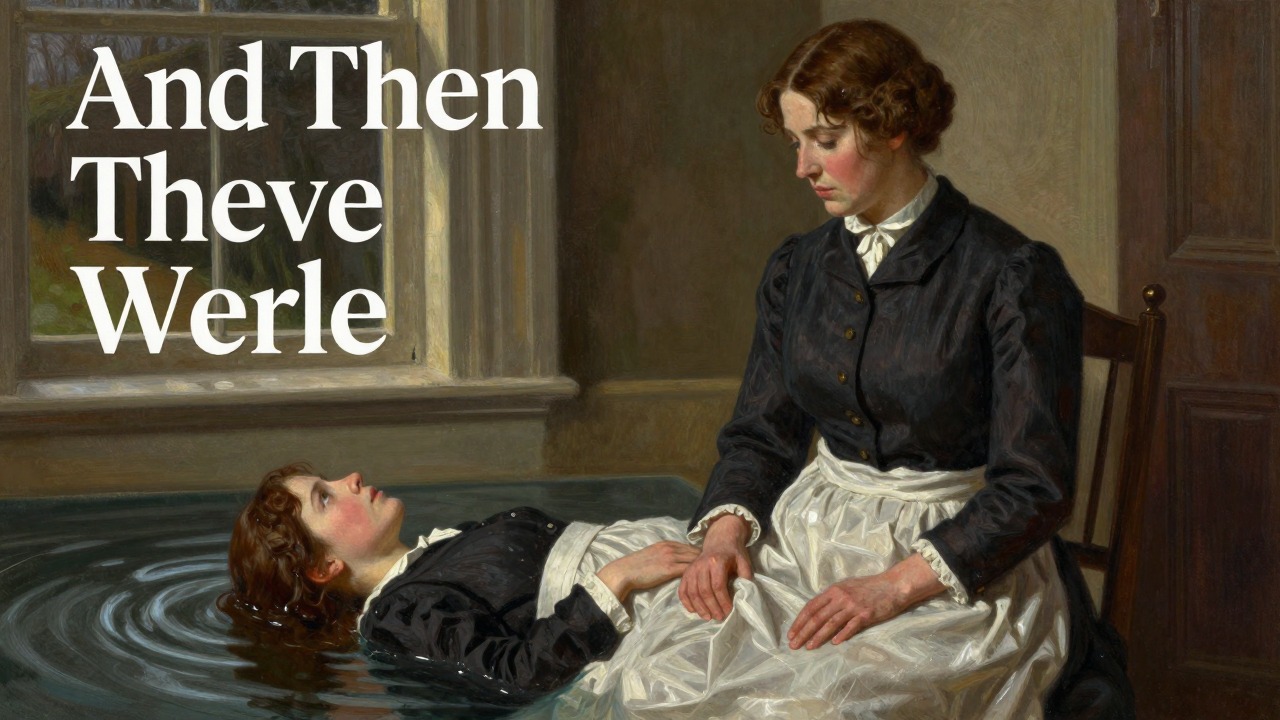
The Cruel Mistress
The Dismissal
Emily Caroline Brent was a strict, religious woman who had driven her pregnant servant, Beatrice Taylor, out of her house. The girl drowned herself, but Emily felt no guilt. She believed she had done the right thing. She was a pillar of society, proud of her uprightness.
The Invitation
Emily received a letter from a woman she thought she had met at a guest house. She accepted the free holiday, expecting a quiet, respectable retreat. She was disgusted by the other guests, but she was confident in her own righteousness.
The Accusation

The Unmoved
The Refusal to Explain
When the gramophone accused her, Emily Brent refused to say anything. She sat stiffly, her lips tight. She told the others that she had nothing to reproach herself for. She believed she was above suspicion. Her hardness repelled the others.
The Isolation
Emily spent her time reading the Bible and knitting. She was oblivious to the fear around her. She even suspected the others of being sinners. She was a woman encased in her own virtue, incapable of empathy.
The Death by Injection
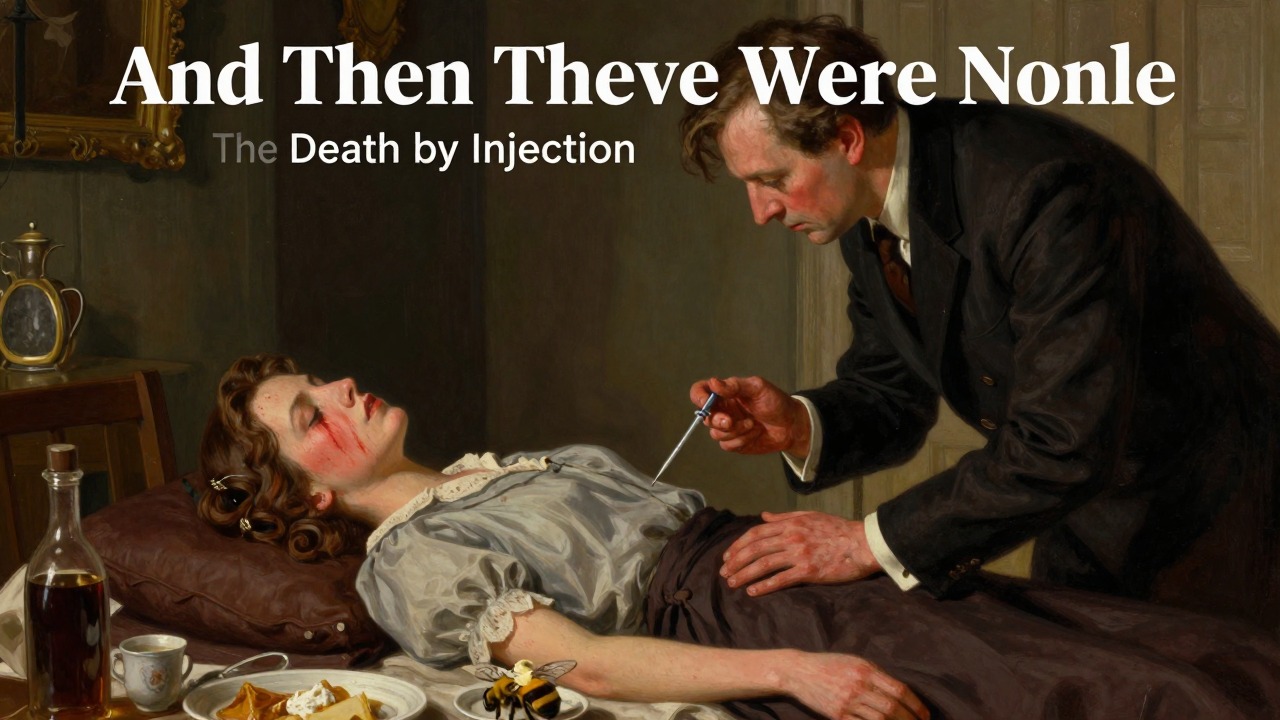
The Bee Sting
The Unwitting Victim
Emily Brent was left alone in the dining-room after breakfast. She felt dizzy and drowsy. The killer—Lawrence John Wargrave—slipped in and injected her with cyanide. She died quickly, her face suffused with blood. The nursery rhyme said she was stung by a bumblebee, but it was a human hand.
The Irony
Emily Brent had always believed that God would protect her. She was struck down not by divine judgment, but by a madman's needle. Her death was a grim irony: she who had judged others was judged by her own standards. She died without a word of remorse.
1931 and before
August 8th, evening
mid-morning, August 10th
